
The Idea of Collective Risk in Revolutionary Movements and Omar Aziz
There were a lot of heroes in the Syrian Revolution, and their actions helped build resistance against dictatorships at the local level. Omar Aziz stands out among these people as a revolutionary thinker. His ideas about how to run an organization set the standards for horizontal planning that are still used today by groups all over the world. His way of organizing groups, which is based on shared vulnerability and joint responsibility, gives us a lot of information about how communities deal with high-stakes situations where one person's actions can affect whole networks.
What Omar Aziz Did and What He Left Behind
Omar Aziz's journey from academic economist to rebel organizer shows how the uprising in Syria changed the lives of many people who decided to go back home and risk everything for freedom. His education outside of the United States gave him academic tools, but his real impact came from working directly with communities to create new ways of resisting.
Early Years and Developing Your Mind
Born in 1949 in Damascus, Omar Aziz grew up during a time of political unrest that shaped how he thought about power and resistance. His academic interests took him outside of Syria, where he studied economic theory and leftist intellectual practices. Aziz has a Ph.D. in economics and worked for many years in both Saudi Arabia and the United States, where he became an expert in development economics and kept close ties to the political debate in Syria. The things he wrote during this time show that he was thinking about liberty, self-organization, and how economic systems affect political freedom.
Going Back to Syria and Getting Ready for the Revolution
When the Syrian uprising started in March 2011, Aziz made the important decision to go back to Damascus at the age of 63. This put decades of academic knowledge directly in conflict with the need for change. Right away, he started working with organizers to create ways to organize protests that would be resistant to both government suppression and the tendency to become too hierarchical. His most important addition was putting forward the idea of Local Coordination Committees as separate, horizontally organized groups that would work without any outside oversight. Activists from different neighborhoods met in his room to share their experiences and work on improving their group's plans.
Prison and Long-Lasting Effects
In November 2011, Omar Aziz was arrested by Syrian security forces because they saw the danger in his organizational vision. He was taken to Adra Prison, where he died in February 2013 in circumstances that are still not clear. It is possible that he was tortured and not given proper medical care. The movement lost one of its smartest minds when he died, but his ideas had already taken hold all over Syria. To remember Omar Aziz is to recognize how new ideas are put into action every day by regular people working together in unusual situations. His impact goes beyond Syria. It can teach any movement how to build power from the bottom up in places where working together is very dangerous for everyone.
Committees for Local Coordination and Organizing on a Horizontal Level
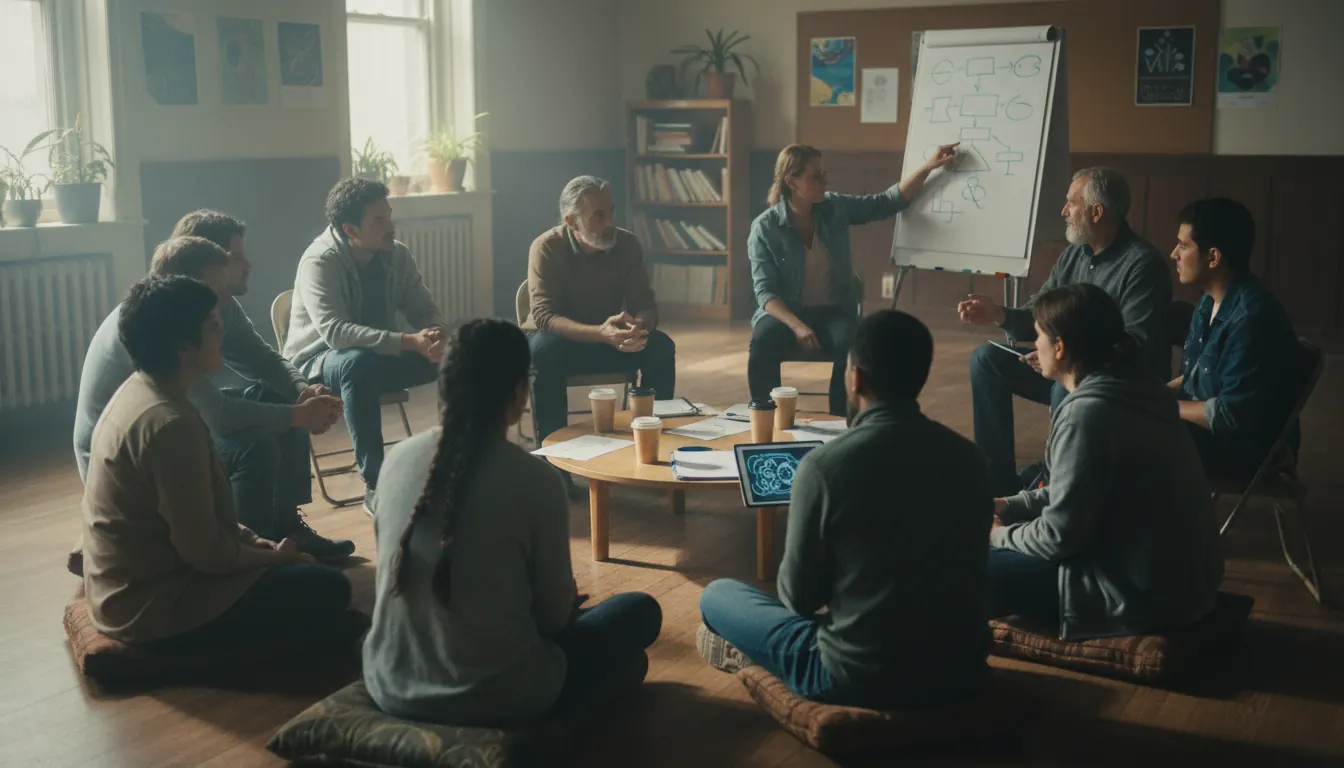
Aziz pushed for an organizational model that became the backbone of Syria's grassroots opposition. It set up networks of independent communities that didn't follow standard political structures. These groups showed that for a change to last, new structures were needed in addition to just replacing dictatorial leaders with others.
How the LCCs Are Put Together
The Local Coordination Committees were very different from how resistance groups usually work in the Middle East. Aziz's vision was based on a few main ideas: horizontal decision-making, which stopped centralized leadership that could be easily taken over; territorial rootedness, which kept committees in specific neighborhoods with deep knowledge of local conditions; functional specialization, which let different members contribute based on their skills; and transparency in resource allocation, which stopped corruption. These groups planned protests, sent out relief aid, kept records on regime violence, and started trying out different ways to run the government.
| Level | Scope | Functions | Coordination Methods |
|---|---|---|---|
| Neighborhood Committees | Single district or neighborhood | Organizing protests, first aid, and paperwork | Weekly in-person meetings; encrypted messaging |
| City-wide Networks | Multiple neighborhoods within one city | Coordinating resources and media strategy | Rotating representatives; shared online platforms |
| Provincial Councils | Entire governorate or province | Strategic planning, external liaison | Monthly meetings, specialized working groups |
| National Coordination | Cross-provincial networks | Unifying messaging, international advocacy | Digital coordination, regular national conferences |
Networks for Documentation and Communication
LCCs created complex ways to keep track of government violence and share information with people inside and outside of their own countries. Activists set up media centers where videos of protests and crimes were recorded, often at great personal risk. These materials did a lot of things: they fought back against government lies, gave proof for possible future accountability systems, and kept people's spirits up by showing how big the resistance was. As the government began to spy on and infiltrate activists' groups, communication security became very important. Committees used private tools and came up with ways to make sure that members were who they said they were.
Problems and Ways to Deal With Them When Repressed
As the conflict went from a popular uprising to a military civil war, the LCC model ran into a lot of problems. The regime's violence grew very bad, and security forces went after known campaigners and their families. Once armed resistance groups started to form, they put pressure on LCCs to either follow military orders or work with outside backers. The LCCs that were able to stay strong were the ones that were strongly rooted in their communities and fought the urge to focus on short-term tactical gains over their organizational values.
How to Understand Group Risk in Social Movements
Omar Aziz's organizational philosophy is based on the idea of group risk. This makes his method different from both standard hierarchical movements and purely individualistic defiance. By looking at how groups deal with shared weakness, we can learn why some movements keep going even when they are being repressed and others fall apart.
Where Shared Vulnerability Comes From in Theory
Collective risk is when people put themselves in danger so that results that are good for a larger group can happen, even though they know that their actions affect other people in their network. This idea is very different from individual risk-taking, which only affects the person taking the chance. In revolutionary settings, collective risk works by exposing everyone to repression when one person's actions bring attention to whole networks, by holding each other accountable when communities are held responsible for the actions of individuals, and by distributing sacrifice when people know that their own pain serves bigger goals.
Useful Applications in Revolutionary Situations
There are many cases of collective risk in action in the Syrian Revolution, which shows how academic ideas can be put into practice in a dictatorship.
- Coordination of Protests: When LCCs planned protests, people who took part knew that going put not only themselves but also their families and friends at risk of being punished by the government. Through deliberate processes, communities agreed as a whole if the political effects were worth the shared exposure.
- Safe House Networks: Activists set up networks of safe houses where wanted people could hide because they knew that hiding criminals put everyone in the house and maybe even the whole neighborhood in danger. Communities had to decide together how much risk they were willing to take.
- Sharing Resources During a Siege: In areas that were under attack, LCCs organized the sharing of scarce medical supplies and food based on need rather than market logic. For this joint method to work, people had to be willing to give up things they wanted in order for the community to survive.
- Documentation and Testimony: Activists who filmed violence against the government did so knowing that they were putting themselves and whole networks at risk of being caught. The value of documents had to be weighed against the cost of protection by the whole community.
- Alternative Governance Experiments: Some LCCs started offering basic services in places not controlled by the state, which led to the formation of structures that were like governments. In these trials, communities had to work together to build new institutions while knowing that they would be targeted by the government.
The Culture of Collective Risk from the Revolution to the Casino Floor

The ideas of collective risk that drove the planning of Syria's change show up in strange places, showing how people always work together when they don't know what will happen. Looking at these similarities sheds light on both the specifics of political conflict and the larger nature of making decisions together in situations with a lot at stake.
Systems of Shared Stakes and Mutual Accountability
The idea of collective risk goes beyond political movements and into many other areas where groups face insecurity together. A lot of the dynamics of online gambling communities, especially those built around poker games and group betting pools, are a lot like the LCC model that Omar Aziz pushed. In these kinds of settings, players create cultures of shared stakes, where each choice affects the outcome for the whole group, mutual responsibility, where players watch out for each other's strategy adherence, and joint learning, where everyone looks at past results to improve future performance. Even though the stakes are very different, the way organizations work shows us all how to work together when we don't know what will happen.
How to Make Decisions When There Is Uncertainty in High-Stakes Situations
People who take part in both political gathering and casino culture have to make important choices with limited knowledge, knowing that the results will affect not only themselves but also everyone in their network.
- Transparent Strategy Development: Just like LCCs had public meetings about how to protest, online casino groups have public platforms where players talk about strategy. This openness spreads information across a range of skill levels and makes people responsible by letting the group see their thinking.
- Bankroll Management as Resource Allocation: Casino betting pools work in a way that is similar to how revolutionary resources are distributed, in that communities must decide together how to spend their limited funds. Successful pools set up rules so that any one person can't put the whole group at risk of losing a lot of money.
- Risk Tolerance Calibration: Both rebel groups and gambling gangs have to keep adjusting how much risk they are willing to take as things change. In Syria, this meant changing how protesters behaved as violence from the government grew. In casinos, it means changing how you bet based on your current budget.
- Information Security and Verification: Just like LCCs made rules for making sure activists were who they said they were, online gambling groups make rules to stop cheating and make sure everyone contributes fairly to the body of knowledge.
- Distributed Leadership and Expertise: The smartest casino communities, like the toughest LCCs, don't put all of their knowledge in a few people. Instead, they create systems where different people can offer their unique skills while still keeping ties across levels.
To Remember Omar Aziz, Learn About Modern Risk Communities
The comparison between political planning and casino culture is not meant to downplay Aziz's sacrifice. Instead, it's meant to show how people generally work together when they know they are all vulnerable. To truly remember Omar Aziz, you have to understand that his ideas about shared responsibility, horizontal organization, and joint risk go beyond the specific situation they were first used in. Communities that are fighting dictatorship or playing competitive video games both have problems making decisions as a group and staying together when individual needs are different from group needs.
How to Keep Your Revolutionary Memory Safe in the Digital Age
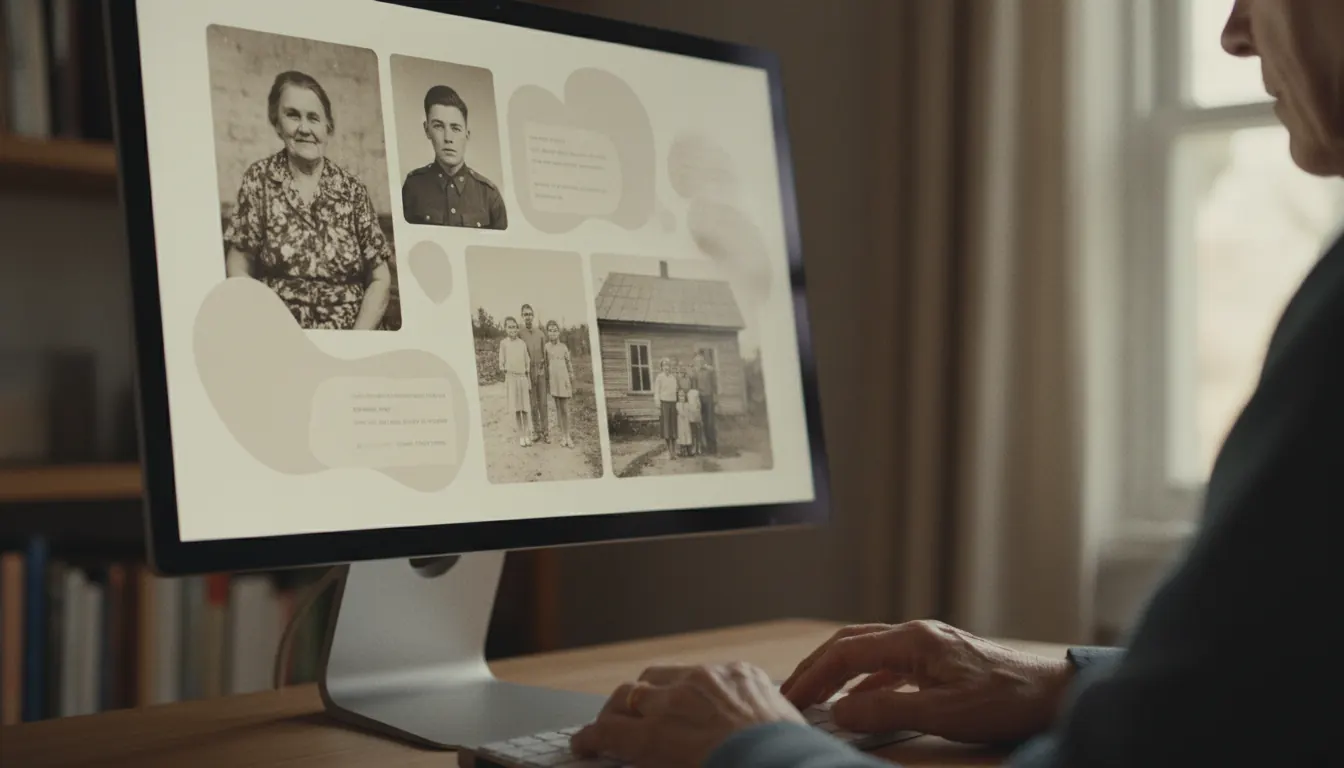
To truly honor progressive leaders like Omar Aziz, we must do more than just remember them. We must also actively connect with their ideas and continue to use their organizational principles. When people get together in person or online, memory can become a live practice instead of a static past.
Platforms for Memorials and Learning Materials
Digital venues are now very important for keeping the memory of bold people like Omar Aziz alive. Memorial websites include biographical details, academic works, visual records, and calls to action that turn remembering someone into doing something. To make sure everyone can use them, these platforms usually have versions in more than one language, educational tools that break down difficult ideas, and archival collections that keep original papers safe. The best tribute sites don't use hagiography; instead, they show the people who died as complicated people whose ideas changed over time.
| Platform Type | Primary Content | Target Audience | Key Features |
|---|---|---|---|
| Biographical Memorial Sites | Personal history, photos, timelines | General public and researchers | Downloadable resources and event calendars |
| Digital Archives | Primary documents, writings, and video | Scholars and journalists | Advanced search and citation tools |
| Educational Portals | Lesson plans and discussion guides | Students and teachers | Interactive timelines and discussion forums |
| Activist Coordination Hubs | Organizing tools and event listings | Current activists and solidarity networks | Event registration and resource sharing |
Planning Events and Getting Involved in the Community
Memorial sites go beyond their online presence and into real life by planning events that bring people together around a revolutionary memory. These get-togethers allow knowledge to be passed down from one generation to the next, keep networks of solidarity alive, offer places for a group mourning, and renew dedication to revolutionary values. Memorial events that go well remember the past while also looking ahead to what will happen in the future. The call to "organize an event in your place" shows that people know that active participation, not idle consumption, is the only way to make revolutionary memories real.
Access in Multiple Languages and Solidarity Around the World
Displaying political memories in English, French, and Arabic, along with other languages, shows that movements are understood to be global. This multilingual method recognizes diaspora groups that have been spread out by conflict, promotes international unity by making ideas easy to understand across language obstacles, and fights against the idea that one culture should define revolutionary experience. The process of translating itself turns into a way for everyone to get involved with new ideas.
Frequently Asked Questions
What are five things that make up a risk culture?
There are five important things that make up a strong risk mindset. First, openness in risk assessment makes sure that everyone knows what might happen if they take different actions. Second, collective responsibility means that communities share the costs and benefits of choices that don't work out. Third, spread expertise takes into account the fact that different people have different kinds of risk-related information. Fourth, adaptive rules let groups change how much risk they are willing to take when things change. Fifth, psychological support systems know that being around high-stakes choices all the time can be stressful, so they make sure that communities have the mental resources that keep people involved over time.
What is collective risk?
Collective risk is when one person's actions have effects on a whole network or group that go beyond the person who did the action. In joint risk situations, people are willing to put themselves at risk to achieve goals that are good for the group as a whole, knowing that the choices they make affect other people. This dynamic makes things more difficult: communities need to come up with ways to make decisions as a group that respect people's right to privacy while also stopping careless actions that put everyone in danger. Collective risk is dealt with by revolutionary groups, joint business ventures, and even online gambling pools, though the stakes are very different in each case.
What did Omar Aziz do that was important?
A Syrian named Omar Aziz was an economist and rebel leader. His ideas helped shape how the Syrian uprising was organized. He was born in Damascus in 1949 and worked abroad for many years before moving back to Syria in 2011. Aziz's main achievement was putting forward the idea of Local Coordination Committees as independent, horizontally formed groups. Aziz was arrested in November 2011 and killed in regime custody in February 2013. He became an icon of the revolution's desire to build new ways of running the government instead of just replacing one authoritarian regime with another.
In Syria, how did the Local Coordination Committees work?
Local Coordination Committees were neighborhood-based groups that planned protests, gathered supplies for people in need, and kept records of violence by the government. Each group worked on its own in its own area and made choices by deliberating across the table. Regular meetings were held by committees where members talked about strategy, assigned jobs, and evaluated risks as a group. They talked to each other through digital channels and agents who changed roles. This network structure made it possible for people to share information while stopping organized leadership that could be used to get rid of the government.
How can I take part in honoring Omar Aziz?
Many different ways exist for people to honor Omar Aziz. Putting together or going to remembrance events that bring people together to talk about his ideas is the most direct way. Sharing funeral content on social media or making teaching materials are two other ways to get involved digitally. Active remembrance through practice includes giving things to Syrian refugee groups or working on documentation projects. The most important thing about learning his academic contributions and using what you learn to solve problems in the present day is that his ideas will always be useful for change.
In Conclusion
Omar Aziz's impact will always show us how communities deal with shared risk and form horizontal groups when they are being repressed. His idea of Local Coordination Committees showed that long-lasting resistance needs structures that are based in specific communities and answerable to those who take part. The idea of "collective risk" that drove his work has applications in many areas, showing common ways that people work together when small actions have big effects on whole networks. To truly remember Omar Aziz means to take his theoretical contributions seriously as useful models that have been tried through struggle. His ideas will always be available to people who want to build power from the bottom up, thanks to memorial sites and ongoing organizing efforts.